
Environmental Protection Laws and Regulations: Safeguarding Our Planet for the Future
November 3, 2025
Child Custody Rights for Fathers and Mothers: Understanding the Legal Balance
November 3, 2025
Introduction
Climate change is one of the biggest challenges facing humanity today. It affects every aspect of our lives—from the air we breathe to the food we eat and the weather patterns that shape our environment. As global temperatures rise due to greenhouse gas emissions, governments around the world are turning to environmental policy laws to slow down and eventually reverse the damage.
These laws aim to regulate human activities, reduce pollution, protect natural resources, and promote sustainability. But how do these policies work, and why are they essential for our planet’s future? Let’s take a deep dive into the world of climate change and environmental policy laws.
Understanding Climate Change
Before exploring environmental policies, it’s important to understand what climate change actually means.
Climate change refers to long-term shifts in temperature, precipitation, and weather patterns on Earth. While some changes occur naturally, the rapid warming observed over the past century is largely caused by human activities—especially the burning of fossil fuels like coal, oil, and gas.
These activities release greenhouse gases (GHGs)—such as carbon dioxide (CO₂), methane (CH₄), and nitrous oxide (N₂O)—which trap heat in the atmosphere. This phenomenon, known as the greenhouse effect, leads to rising global temperatures, melting ice caps, stronger storms, and disruptions to ecosystems.
The Role of Environmental Policy Laws
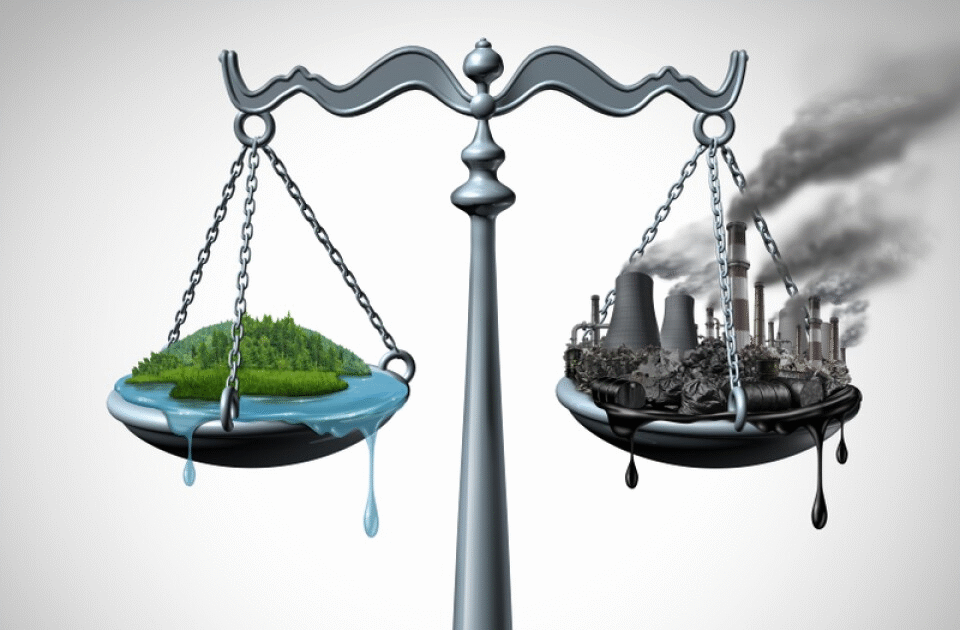
Environmental policy laws are government actions and legal frameworks designed to protect the environment and ensure sustainable development. They establish rules for industries, businesses, and individuals, aiming to minimize pollution and preserve natural resources.
Some key objectives of these laws include:
- Reducing greenhouse gas emissions
- Promoting renewable energy sources
- Conserving forests, oceans, and wildlife
- Managing waste responsibly
- Encouraging green innovation and technology
By implementing and enforcing these laws, governments can hold polluters accountable and guide economies toward cleaner, more sustainable growth.
Major Global Environmental Agreements
Environmental laws often go beyond national borders because climate change is a global issue. Several international treaties and agreements have been developed to encourage cooperation among countries.
1. The Paris Agreement (2015)
Perhaps the most famous climate accord, the Paris Agreement unites almost every nation on Earth in a shared goal—to limit global warming to well below 2°C, ideally 1.5°C, above pre-industrial levels.
Countries that signed the agreement are required to set Nationally Determined Contributions (NDCs)—plans outlining how they will reduce emissions and adapt to climate impacts.
2. Kyoto Protocol (1997)
This was one of the first major global agreements to legally bind developed countries to emission reduction targets. It laid the groundwork for later treaties, including the Paris Agreement.
3. Montreal Protocol (1987)
This landmark agreement focused on protecting the ozone layer by phasing out substances that deplete it, such as chlorofluorocarbons (CFCs). It’s considered one of the most successful environmental treaties ever implemented.
4. United Nations Framework Convention on Climate Change (UNFCCC)
Adopted in 1992, this global framework set the foundation for international cooperation on climate change. It provides the structure under which later agreements like Kyoto and Paris operate.
Examples of Environmental Policy Laws in Action
Many countries have enacted their own environmental policy laws to combat climate change. Here are a few notable examples:
United States
- Clean Air Act (CAA): Regulates air pollution and sets emission standards for industries and vehicles.
- Clean Water Act (CWA): Aims to protect and restore the quality of U.S. water bodies.
- Inflation Reduction Act (2022): Includes major climate-related investments, focusing on renewable energy and electric vehicles.
European Union
- European Green Deal: A long-term strategy to make Europe climate-neutral by 2050.
- Emissions Trading System (ETS): A carbon market that allows industries to buy and trade emission allowances, encouraging reductions in pollution.
India
- National Action Plan on Climate Change (NAPCC): Focuses on promoting clean energy, improving energy efficiency, and conserving natural resources.
- Environmental Protection Act (1986): Provides a framework for coordinating environmental regulation across the country.
China
- Carbon Neutrality Goal: China has committed to reaching carbon neutrality by 2060.
- Renewable Energy Law (2005): Promotes the use of wind, solar, and hydro energy.
The Impact of Environmental Policy Laws
These policies are not just legal documents—they have real-world impacts that can shape economies and improve public health.
1. Reduction in Emissions
Countries with strict environmental regulations have seen a decline in air pollutants and greenhouse gases. Cleaner energy sources like solar and wind have become more accessible and affordable.
2. Technological Innovation
Laws that promote sustainability often lead to innovation. Companies invest in new technologies like electric vehicles, green buildings, and carbon capture systems to comply with environmental standards.
3. Job Creation
The renewable energy sector has become one of the fastest-growing industries in the world, creating millions of jobs in solar, wind, and clean tech industries.
4. Improved Public Health
Cleaner air and water reduce respiratory diseases, heart conditions, and other pollution-related illnesses.
5. Preservation of Ecosystems
Stronger laws on deforestation, fishing, and waste disposal help protect wildlife habitats and maintain biodiversity.
Challenges in Implementing Environmental Laws
While environmental laws are essential, they face several challenges:
- Lack of Enforcement: Many countries have good policies but fail to enforce them effectively.
- Economic Pressure: Some industries resist environmental laws, claiming they increase costs.
- Global Inequality: Developing nations often struggle to implement green technologies due to limited financial resources.
- Political Resistance: Climate policies can become politically controversial, leading to slow progress or reversals.
Despite these obstacles, awareness and public demand for environmental protection are growing rapidly worldwide.
The Future of Climate Policy
The future of climate change and environmental policy laws lies in global cooperation, innovation, and individual responsibility.
As the effects of climate change become more severe—rising sea levels, extreme heat, wildfires, and floods—governments must act faster and smarter. This includes setting ambitious carbon reduction goals, supporting renewable technologies, and ensuring that both corporations and citizens do their part.
New approaches such as carbon pricing, green investments, and sustainable urban planning are gaining momentum. Additionally, young activists and communities around the world are pushing for more accountability and climate justice.
Conclusion
Climate change and environmental policy laws are deeply interconnected. Without strong policies, global warming will continue to accelerate, threatening ecosystems, economies, and human life. But with firm commitments, innovative solutions, and global cooperation, it’s still possible to build a sustainable future.
Each of us plays a role in this mission—by conserving energy, supporting eco-friendly products, and holding leaders accountable. Together, we can turn policy into action and ensure that our planet remains livable for generations to come.
Frequently Asked Questions (FAQs)
1. What are environmental policy laws?
Environmental policy laws are government regulations designed to protect the environment by controlling pollution, managing natural resources, and promoting sustainability.
2. How do these laws help fight climate change?
They reduce greenhouse gas emissions, encourage renewable energy, and enforce eco-friendly practices among industries and citizens.
3. What is the Paris Agreement?
The Paris Agreement is a global treaty that unites countries in the fight against climate change, aiming to limit global warming to below 2°C, preferably 1.5°C.
4. What are the main challenges in implementing environmental laws?
Key challenges include poor enforcement, lack of funding, industrial resistance, and political disagreements.
5. How can individuals support environmental policies?
People can help by reducing waste, using clean energy, supporting sustainable products, and voting for leaders who prioritize environmental protection.